Global Career in Astronomy, Space Science & Future Technologies
With Global Career in Astronomy, Space Science & Future Technologies
A clear understanding of the career paths, skills, opportunities, and strategic steps required to build your future in Space, AI, and deep-tech industries along with personalized direction tailored to your goals, interests, and potential.
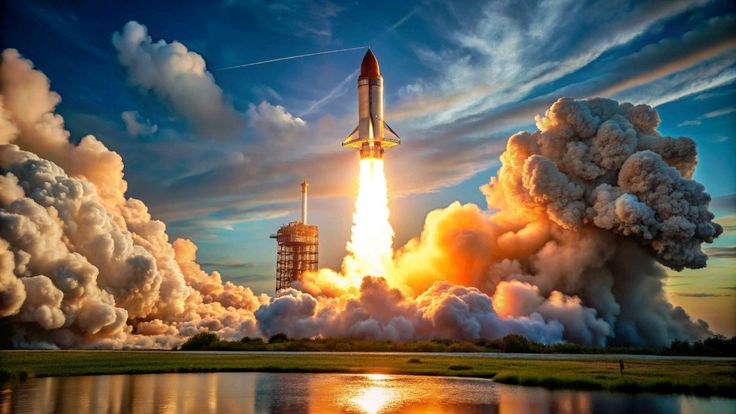
WHY ASTRONOMY MATTERS TODAY
We Are Entering the Space & Innovation Era
The next generation will grow up in a world shaped by:
Across the world, governments and private companies are heavily investing in:
Astronomy education introduces students to the mindset needed for this future:
ASTRONOMY IS MORE THAN A SUBJECT
Astronomy Is Where Science Becomes Wonder
Astronomy is one of the few sciences that naturally combines:
into one powerful learning experience.
It transforms learning from memorizing information into exploring the universe.
For students, astronomy creates awe.
For education, it creates scientific thinking.
For the future, it creates innovators.
Deeper Questions
Astronomy encourages students to ask deeper questions:
- How does the universe work?
- How are planets formed?
- Can life exist elsewhere?
- How do rockets reach space?
- How do telescopes observe distant galaxies?
This transforms science into something students experience, not just study.
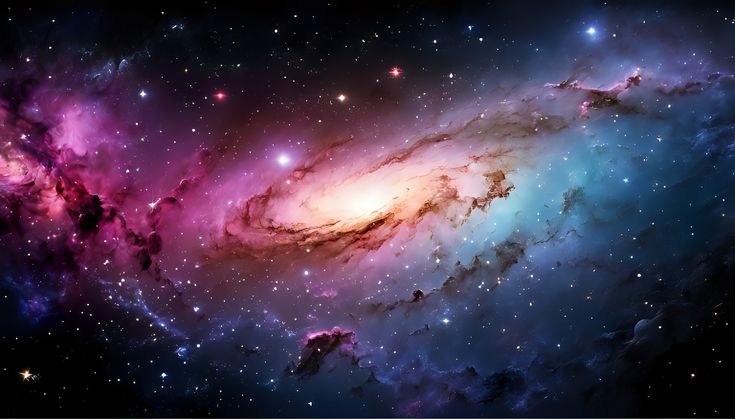
THE NEW SPACE REVOLUTION
Humanity Is Entering a New Space Era
For decades, space exploration was limited mainly to government agencies. Today, the space industry is expanding faster than ever through:
The future space ecosystem is expected to generate millions of highly specialized careers globally over the coming decades.
CAREER & LEARNING PATHWAYS
A Universe of Future Possibilities
Space Science & Astronomy Path
For students fascinated by planets, stars, galaxies, black holes, and the universe.
Learning Areas
Astronomy, Astrophysics, Cosmology, Planetary Science, Telescope Science, Space Observation, Space Research
Future Careers
Astronomer, Astrophysicist, Space Scientist, Observatory Scientist, Planetary Researcher, Cosmologist
Skills Developed
Scientific reasoning, Observation, Mathematical thinking, Research mindset, Analytical problem-solving
Aerospace & Rocket Science Path
For students interested in rockets, spacecraft, satellites, and missions.
Learning Areas
Rocket Science, Aerodynamics, Spacecraft Systems, Satellite Technology, Orbital Mechanics, Propulsion Systems
Future Careers
Aerospace Engineer, Rocket Engineer, Mission Design Engineer, Satellite Systems Engineer, Spacecraft Operations Specialist
Industries
ISRO, NASA, ESA, SpaceX, Blue Origin, Rocket Lab, Aerospace Startups
AI, Robotics & Space Technology Path
Where Astronomy Meets Future Technology
Learning Areas
Artificial Intelligence, Robotics, Space Automation, Computer Vision, Satellite Data Analysis, Autonomous Systems
Future Careers
AI Engineer, Robotics Engineer, Space AI Researcher, Satellite Data Analyst, Autonomous Systems Developer
Why Astronomy Helps
Astronomy naturally introduces: systems thinking, simulation, automation, computational problem-solving, data analysis
STEM Innovation & Engineering Path
Astronomy as a Gateway into Engineering & Innovation
Learning Areas
Physics, Electronics, Mechanical Systems, Sensor Technology, Instrumentation, Scientific Modeling
Future Careers
Mechanical Engineer, Systems Engineer, Electronics Engineer, Instrumentation Specialist, Product Innovator
Data Science & Computational Research Path
The Universe Generates Massive Amounts of Data
Learning Areas
Data Science, Scientific Computing, Simulation, Pattern Recognition, Space Imaging, Statistical Analysis
Future Careers
Data Scientist, Scientific Programmer, Computational Researcher, Space Data Analyst
Astrophotography & Space Media Path
For Students Who Love Creativity + Science
Learning Areas
Astrophotography, Telescope Imaging, Space Visualization, Science Communication, Documentary Creation, Digital Media
Future Careers
Astrophotographer, Science Communicator, Space Content Creator, Documentary Producer, Educational Media Specialist
Space Entrepreneurship & Innovation Path
The Future Space Economy Is Rapidly Growing
Learning Areas
Space Startups, Commercial Space Technology, Innovation Systems, Product Development, Satellite Business Models
Future Careers
Space Entrepreneur, Space-Tech Founder, Innovation Consultant, Research Product Builder
HOW ASTRONOMY CONNECTS WITH FUTURE TECHNOLOGIES
Astronomy Is No Longer Isolated Science
Astronomy is becoming one of the most interdisciplinary and future-oriented learning pathways available today.
WHY STUDENTS LOVE ASTRONOMY
Astronomy Creates Emotional Learning
Students are naturally fascinated by:
Astronomy transforms science from something students study into something they experience.
This emotional engagement improves:
For many students, astronomy becomes the first science that truly inspires them.
HOW ASTRONOMY DEVELOPS THINKING
Astronomy Develops More Than Scientific Knowledge
Astronomy helps students develop:
Students learn to ask questions, explore possibilities, and connect science with real-world innovation.
Astronomy does not just teach facts. It changes how students think.
THE FUTURE OF SPACE CAREERS
The Next 10–20 Years Will Belong to Space, Science & Advanced Technologies
Experts predict major growth in:
- lunar missions
- Mars exploration
- AI-driven astronomy
- private space companies
- satellite ecosystems
- commercial space travel
- deep-space communication
- planetary research
- space manufacturing
Future generations may witness:
- permanent lunar research stations
- advanced Mars missions
- commercial space ecosystems
- AI-assisted astronomical discovery
- space-based industries
Students entering astronomy and space sciences today may become part of these historic developments.
Professional Stakeholder
For Parents
Astronomy Is Not Just a Hobby Anymore
Modern astronomy education develops: scientific thinking, analytical reasoning, innovation mindset, future technology exposure, interdisciplinary understanding, practical STEM learning
Astronomy today connects deeply with: AI, robotics, aerospace, research, engineering, advanced computing, data science
This makes astronomy highly future-relevant for the next generation.
Help Children Think Beyond Textbooks →For Schools
Schools Are Preparing Students for the Future Economy
Forward-thinking schools increasingly recognize that future-ready education must include: innovation exposure, scientific curiosity, experiential STEM learning, interdisciplinary thinking, technology integration
Astronomy programs often create: stronger STEM culture, higher student engagement, futuristic academic positioning, memorable educational experiences, stronger parent perception
For schools, astronomy represents future-ready education.
Bring Astronomy to Your School →PROGRAMS SECTION
Explore Our Astronomy Programs
Interactive astronomy experiences designed for schools, students, teachers, and young space enthusiasts.
Explore All Programs →The Students Looking at the Stars Today
May Build Humanity's Future Tomorrow
The next generation of: scientists, engineers, innovators, astronauts, AI experts, researchers, space entrepreneurs
may begin their journey with one simple thing:
Curiosity About the Universe.
Astronomy education transforms that curiosity into exploration, innovation, scientific thinking, and future possibility.
Bring Astronomy Beyond Textbooks
Schedule a School Moon Observation Program. Create an engaging scientific learning experience through observation, exploration, telescope experience, and interactive astronomy education.
Contact Space Adhyaan
📞+91 91779 15858
📧info@spaceadhyaan.com
🌐Space Adhyaan
"Because sometimes, a single look through a telescope can inspire a lifetime of curiosity."